How we price a graded card
What goes into a Cardwel offer: recent sold comps, grade and grader, how fast the card sells, and eye appeal. No mystery math.
This article compares selling graded cards as a group lot versus one at a time, so you can pick the route that fits your collection and your time.
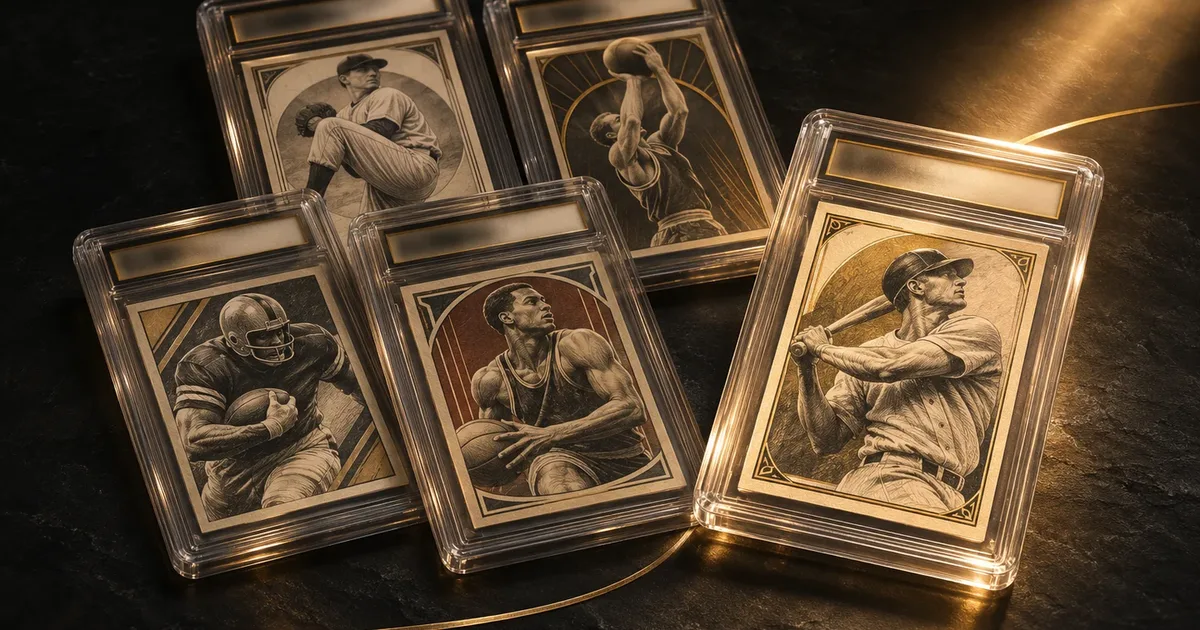
You have a stack of slabs and you are ready to sell. The first decision is whether to sell them one by one or move them together. Both can be the right call. Here is how to think about it.
Listing each card on a marketplace can get you the most per card, in theory. In practice you are paying for it in other ways:
If you have a handful of high-value cards and the time to manage them, selling singles can make sense.
Selling a group of cards to one buyer trades a little top-end price for speed and certainty. One conversation, one shipment, one payment. For collections of 10, 50 or 500 slabs, that difference in time and hassle is huge.
Watch out for lot buyers who cherry-pick. Some buyers take your best cards and leave you holding the rest. Ask up front whether the offer covers everything.
We do not eyeball a pile and throw out a number. Every card in your lot is priced on its own from recent sales, then we add it up. You can see the line items if you want them. If a few cards fall outside what we buy, we tell you which ones and why.
That is it. Use the paste box on our offer form for lists of any size.
Send the cert numbers. No fees, no obligation.
 Pricing
What goes into a Cardwel offer: recent sold comps, grade and grader, how fast the card sells, and eye appeal. No mystery math.
 Guide
The single best thing you can do to speed up a cash offer on graded cards: send the cert numbers. Here is why, and how to find them.